Have you ever wondered how a corporate event can truly inspire, not just inform? What makes some gatherings feel unforgettable while others fade from memory? How can leadership, lifestyle, and event design intersect to create a transformative experience?
In today’s fast-evolving business environment, the boundaries between corporate events, leadership development, and lifestyle are increasingly blurred. No longer confined to conference halls and rigid agendas, corporate gatherings have become immersive experiences that reflect organizational values, leadership philosophy, and the personal well-being of the people who attend them. Together, corporate events, leadership, and lifestyle form a powerful triangle—one that shapes culture, drives performance, and influences how organizations are perceived both internally and externally.
The Evolution of Corporate Events
Corporate events have undergone a significant transformation over the past two decades. Traditional formats—annual general meetings, sales conferences, and formal galas—once focused primarily on information delivery and ceremonial obligation. Today, the emphasis has shifted toward engagement, storytelling, and experience design. Companies recognize that events are not just logistical necessities but strategic platforms to communicate vision, reinforce culture, and inspire action.
Modern corporate events often integrate interactive sessions, technology-driven experiences, and thoughtfully curated environments. From leadership retreats in nature-focused resorts to innovation summits that blend keynote talks with collaborative workshops, events now aim to energize participants rather than simply inform them. This evolution reflects a broader understanding: people remember how an event made them feel long after they forget the slides that were presented.
Leadership on Display
Corporate events are among the most visible stages for leadership. Whether it is a CEO addressing employees, a panel of executives sharing strategic priorities, or managers facilitating breakout discussions, leadership presence at events sends powerful signals. Authenticity, clarity, and empathy are often scrutinized more closely in these settings than in everyday operations.
Effective leaders use corporate events to humanize themselves. By sharing personal stories, acknowledging challenges, and celebrating collective achievements, they foster trust and alignment. Events also provide leaders with an opportunity to listen. Town halls, Q&A sessions, and informal networking moments allow executives to gain unfiltered insights into employee sentiment, customer expectations, and partner concerns.
Leadership development itself has become a central theme of many corporate gatherings. Workshops on emotional intelligence, adaptive leadership, and decision-making under uncertainty are increasingly common. These sessions recognize that leadership is not confined to titles; it is a skill set that must be cultivated across all levels of the organization.
Lifestyle as a Strategic Consideration
Lifestyle may once have seemed peripheral to corporate strategy, but it is now a central consideration. The modern workforce places high value on well-being, flexibility, and purpose. Corporate events have adapted accordingly, incorporating elements that support physical, mental, and emotional health.
Wellness-focused agendas might include mindfulness sessions, fitness activities, or nutrition-conscious catering. Schedules are designed to reduce burnout, with intentional breaks and opportunities for informal connection. Even the choice of venue reflects lifestyle awareness, favoring natural light, open spaces, and environments that encourage creativity and relaxation. For high-end networking events or corporate dinners that double as a lifestyle statement, venues like The Caviar House offer both sophistication and a symbolic nod to executive taste.
This integration of lifestyle into corporate events sends a clear message: the organization values its people as whole individuals, not just as productivity units. In turn, this strengthens employer branding, improves engagement, and supports retention—critical factors in competitive talent markets.
The Intersection of Brand and Experience
Corporate events sit at the intersection of brand, leadership, and lifestyle. Every detail—from the tone of communication to the sustainability of materials used—contributes to a broader narrative about what the organization stands for. Leadership behaviors observed at events either reinforce or undermine stated values, while lifestyle-oriented choices demonstrate whether those values are genuinely lived.
For example, a company that promotes innovation but hosts rigid, lecture-heavy events sends a conflicting message. Conversely, an organization that champions collaboration and well-being, and then designs events that are inclusive, interactive, and health-conscious, builds credibility. Even simple visual elements—such as branded signage created with free printable poster templates — can reinforce consistency and professionalism while keeping event production efficient and scalable. Consistency between message and experience is key.
Networking and Relationship Building
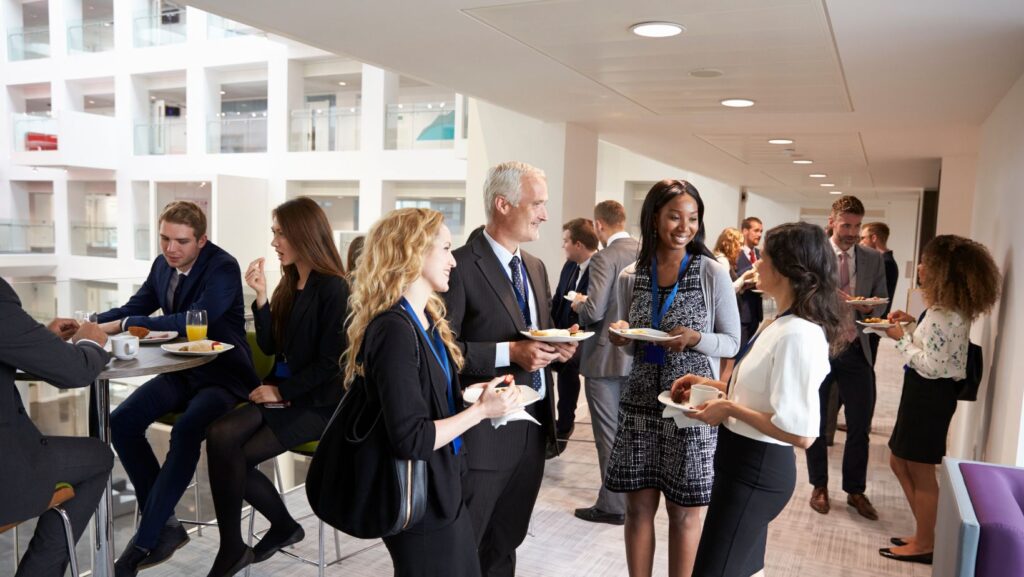
Beyond strategy and inspiration, corporate events play a crucial role in relationship building. Informal conversations over meals, shared experiences during team activities, and spontaneous discussions in relaxed settings often lead to stronger professional bonds than formal meetings do. These connections enhance cross-functional collaboration and create social capital that benefits the organization long after the event concludes.

Leadership presence in these moments is particularly impactful. When executives engage authentically with employees and partners in informal settings, hierarchies soften and trust deepens. This approachability contributes to a healthier organizational lifestyle—one where communication flows more freely and people feel seen and valued.
Looking Ahead
As hybrid work models and global teams become the norm, the role of corporate events will continue to evolve. Virtual and hybrid formats are expanding access, while in-person gatherings are becoming more intentional and experience-driven. Leadership will be judged not only by what is said on stage but by how inclusively and thoughtfully events are designed.
Ultimately, corporate events are a reflection of organizational identity. When leadership is authentic and lifestyle considerations are embedded into event design, these gatherings become catalysts for culture, performance, and connection. In a world where talent seeks meaning and balance as much as success, the integration of corporate events, leadership, and lifestyle is no longer optional—it is essential.